
If you’ve heard gardeners talk about “black gold” or “superfood for plants,” they mean worm castings. This humble brown substance may not seem impressive, but it’s a powerful natural fertilizer.
Worm castings are just earthworm poop — the nutrient-rich outcome of worms digesting organic matter.
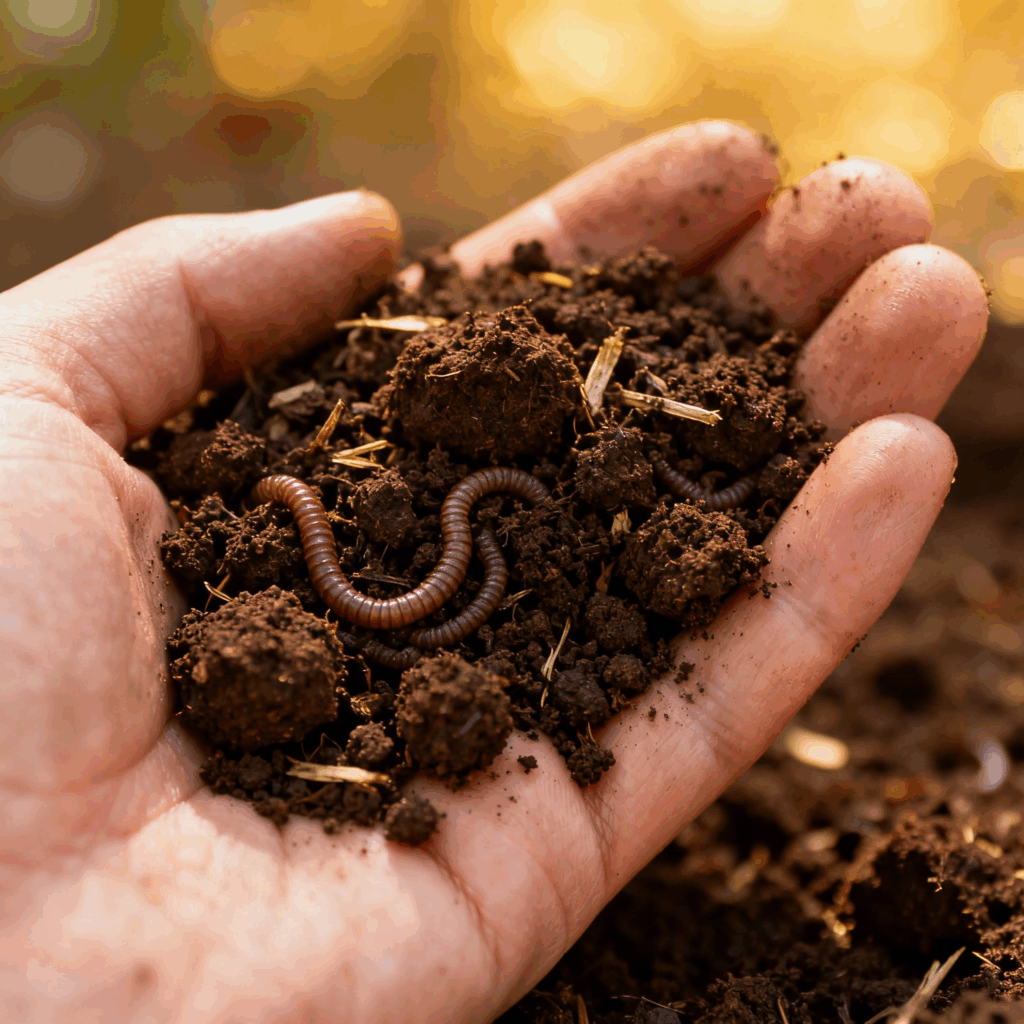
After 500 million years of evolution, worms have learned how to break down plants into nutrients that plants can easily absorb.
The result? A natural soil booster full of beneficial microbes, water-soluble nutrients, and growth-enhancing compounds that chemical fertilizers can’t match.
Whether you’re growing tomatoes, caring for houseplants, or keeping a green lawn, using worm castings can greatly improve your gardening results.
And the best part? They’re completely safe — you can’t overfeed your plants with this organic fertilizer.
What Makes Worm Castings So Special?
Before we explore how to use earthworm castings, let’s understand why they’re better than most commercial fertilizers.
Unlike synthetic fertilizers that give a quick boost and fade away, vermicompost is a slow-release option. It feeds your plants gradually, which means no burning, no waste, and nourishment that lasts for weeks or even months.
Worm castings are packed with key nutrients like nitrogen, potassium, calcium, and phosphorus — everything plants need to thrive. According to research from Oregon State University Extension, vermicompost contains plant-available nutrients and beneficial soil microorganisms that significantly improve plant growth. But the real benefit is the thriving ecosystem in each handful.
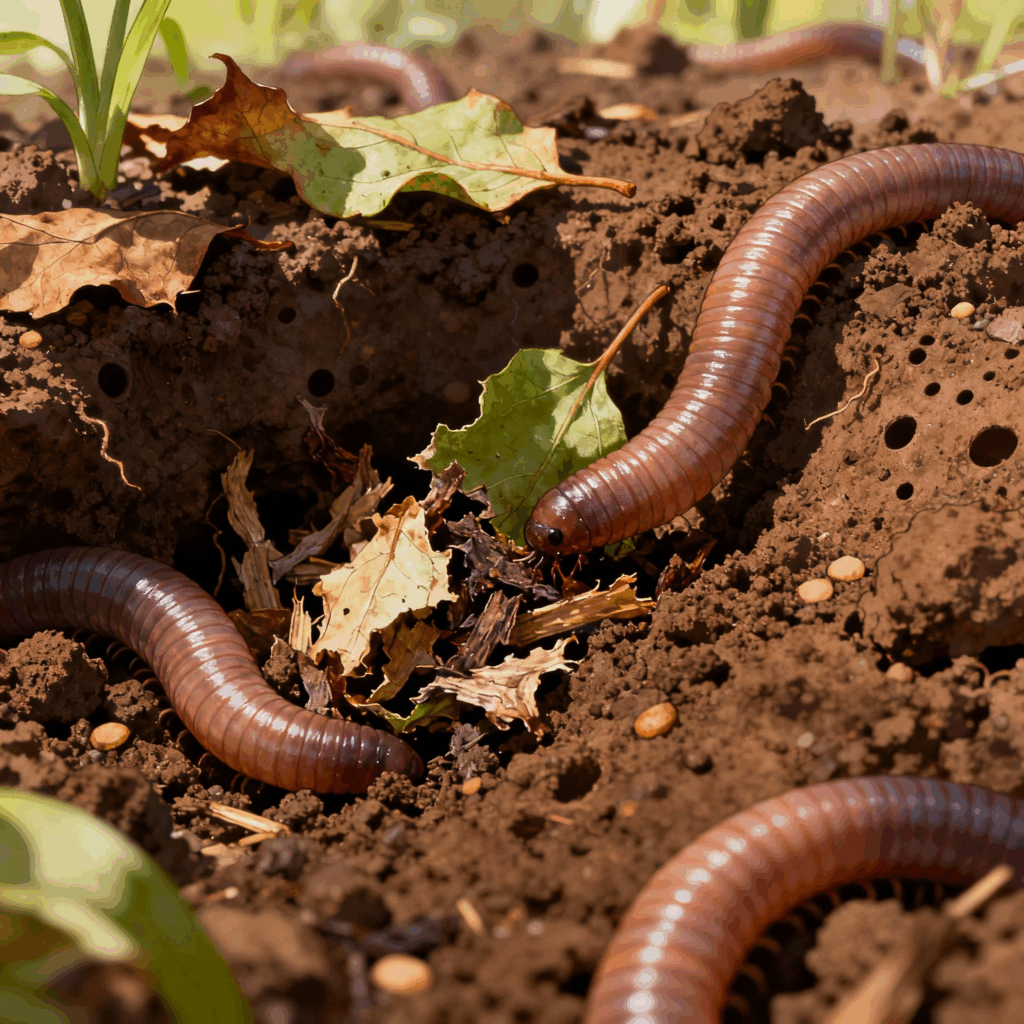
These castings are full of beneficial microbes, fungi, bacteria, nematodes, and protozoa that keep working in your soil long after you apply them. This tiny army improves soil structure, helps plants fight diseases, and reduces harmful pathogens.
Studies have shown that the microbial activity in worm castings can suppress plant diseases and promote beneficial organisms in the soil ecosystem.
Worm castings are pH-neutral, so they maintain your soil’s balance. They enhance drainage in heavy soils and retain water in sandy soils. For organic gardeners, worm castings are a perfect choice.
How to Use Worm Castings for New Plantings
When you start with new plants, adding worm castings to your soil gives roots a quick nutrient boost.
For Potted Plants and Containers: Mix in 15-20% worm castings with your potting soil before you plant.
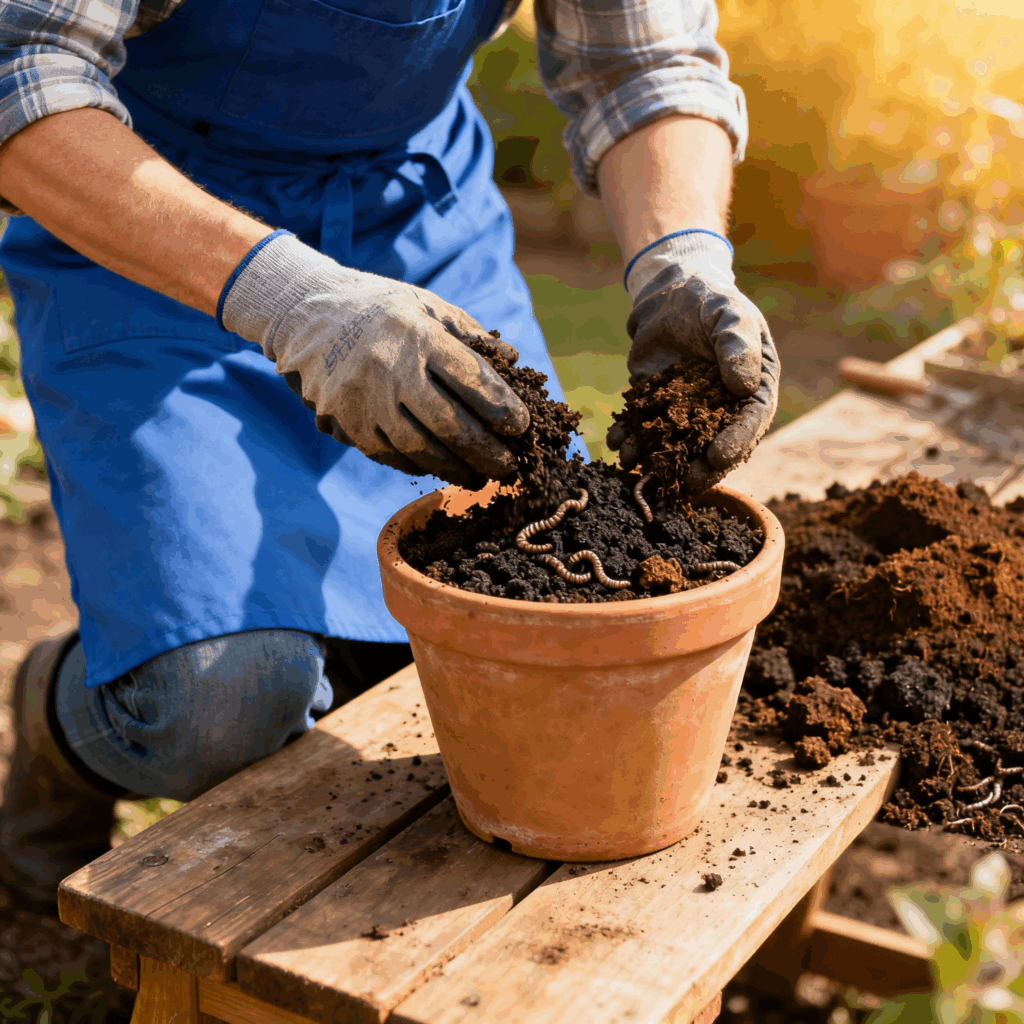
If you’re using a 10-gallon container, that means adding 1.5-2 gallons of castings. This blend gives great nutrition without overwhelming young roots.
When growing tomatoes in containers, combining worm castings with the right pot size ensures your plants have both adequate root space and premium nutrition from the start.
For Garden Beds: Mix castings into the top 4-6 inches of soil before you plant seedlings or seeds. Stick to the same 15-20% ratio, which is about 2-3 pounds of castings for each square foot of your garden bed.
For Trees and Shrubs: When digging the planting hole, add several handfuls of castings (2-4 cups for small shrubs, up to a gallon for larger trees) to the backfill soil. This helps new roots access nutrients right away as they grow.
Feeding Established Plants with Worm Castings
Your plants will thrive with regular feedings throughout the growing season.
Top Dressing Method: Sprinkle a 1/2 to 1-inch layer of worm castings around your plants, staying a few inches from the stems to avoid excess moisture. Gently mix the castings into the top soil using your fingers or a hand rake, then water lightly to help nutrients reach the roots. Repeat this every 4-6 weeks.
For Vegetable Gardens: Apply worm castings when your plants show active growth, usually in spring and early summer. For crops like tomatoes, peppers, and squash, add 1/4 to 1/2 cup per plant each month.
For Lawns: Spread a thin layer (about 1/4 inch) on your grass, using 10-15 pounds per 1,000 square feet. The castings will enrich the soil and encourage deeper roots, giving your lawn better drought resistance and a lush green color.
For Houseplants: Add 2-3 tablespoons of worm castings on top of potted plants and water as usual. For smaller pots, just use a tablespoon. Repeat every month or two, depending on your plant’s growth.
Making and Using Worm Casting Tea
Worm casting tea is a liquid fertilizer packed with nutrients and helpful microbes for your plants.
Basic Recipe: To make it, put 1 cup of worm castings in a 5-gallon bucket of non-chlorinated water (let tap water sit out overnight to remove chlorine). Stir well and let it steep for 12-24 hours, stirring occasionally.
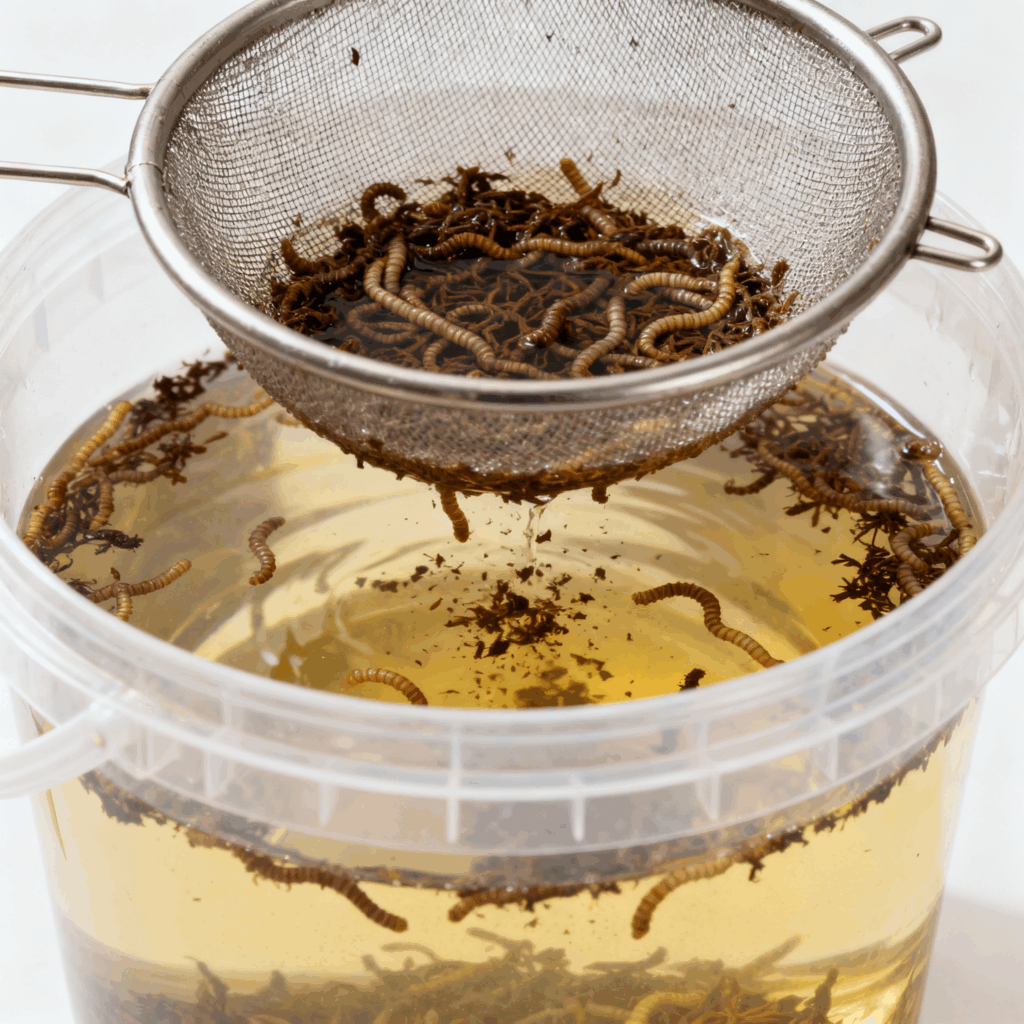
If using a sprayer, strain out the solids.
How to Use: Water your plants at the soil level with the tea at full strength, or dilute it until it looks like light tea for spraying on leaves. Apply every 2-4 weeks during the growing season. The microbes in the tea help keep diseases away and feed the leaves.
Want to take your worm casting tea to the next level? Learn how to brew a more potent, aerated version using an air pump system—perfect for maximizing microbial populations and disease-fighting power.
Check out the complete guide on Vermicompost Tea for Tomatoes. It includes step-by-step instructions, troubleshooting tips, and timing strategies for year-round application.
What Plants Benefit from Worm Castings?
Here’s the simple answer: everything with roots.
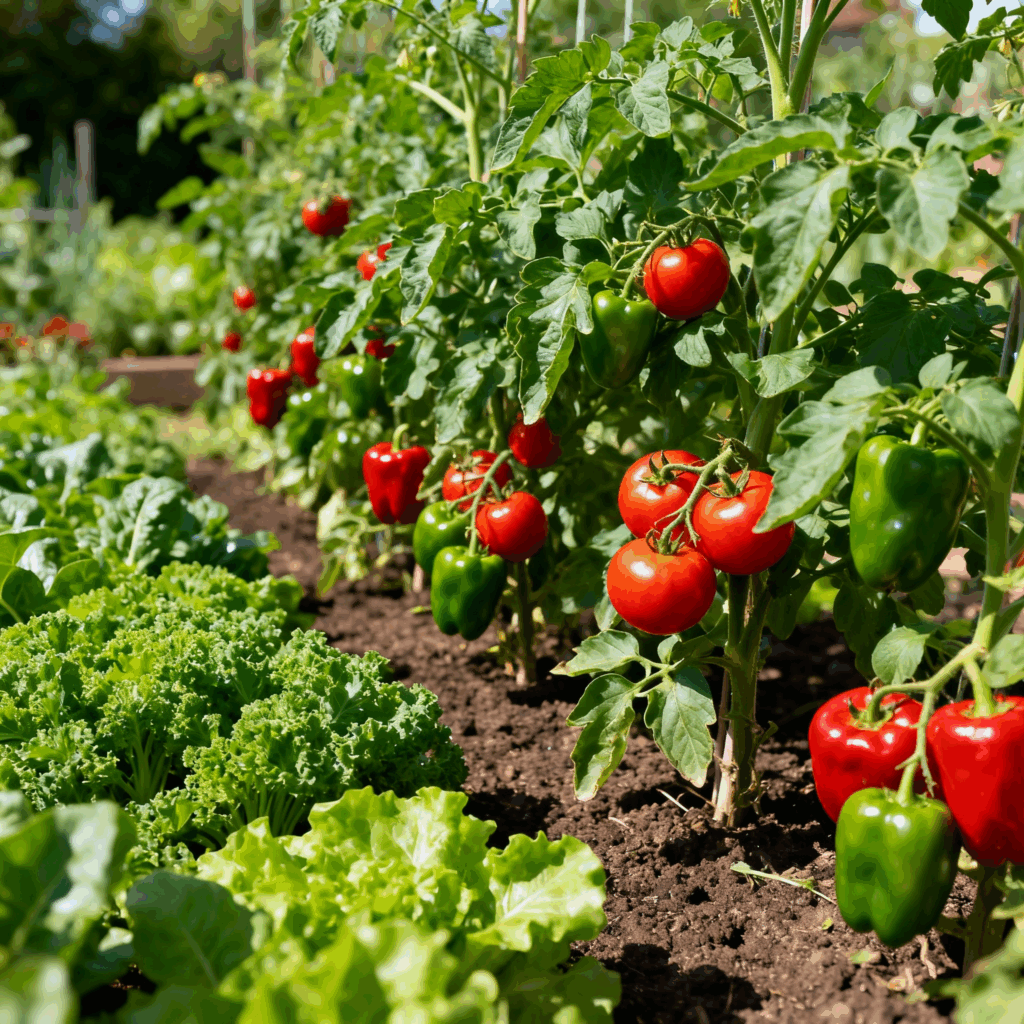
Vegetables: Plants like tomatoes, peppers, cucumbers, lettuce, and root crops thrive with this fertilizer. Gardeners often see bigger yields and better taste.
Flowers: Both annual and perennial flowers do well with regular feeding. Roses particularly benefit from the nutrients and improved disease resistance.
You don’t need to worry about precise amounts of worm castings. It’s hard to use too much; starting with the suggested ratios is a good idea, but more is often better.
Store extra castings in a sealed container to keep them moist. If they dry out, just add water when you use them.
Worm castings work in any garden system: raised beds, in-ground gardens, containers, hydroponics, or aquaponics.
Their benefits last longer than chemicals. Unlike synthetic fertilizers that wash away quickly, the organic matter and microbes in worm castings boost your soil season after season.
Final Thoughts
Using worm castings is a smart choice for your garden. This “black gold” provides essential nutrients for plants and improves soil health.
Whether you focus on organic gardening or just want your plants to thrive, worm castings are a reliable choice that nature created over millions of years.
Start with a bag or two this season. Your plants will reward you with healthy growth and bigger yields, thanks to rich soil.


