
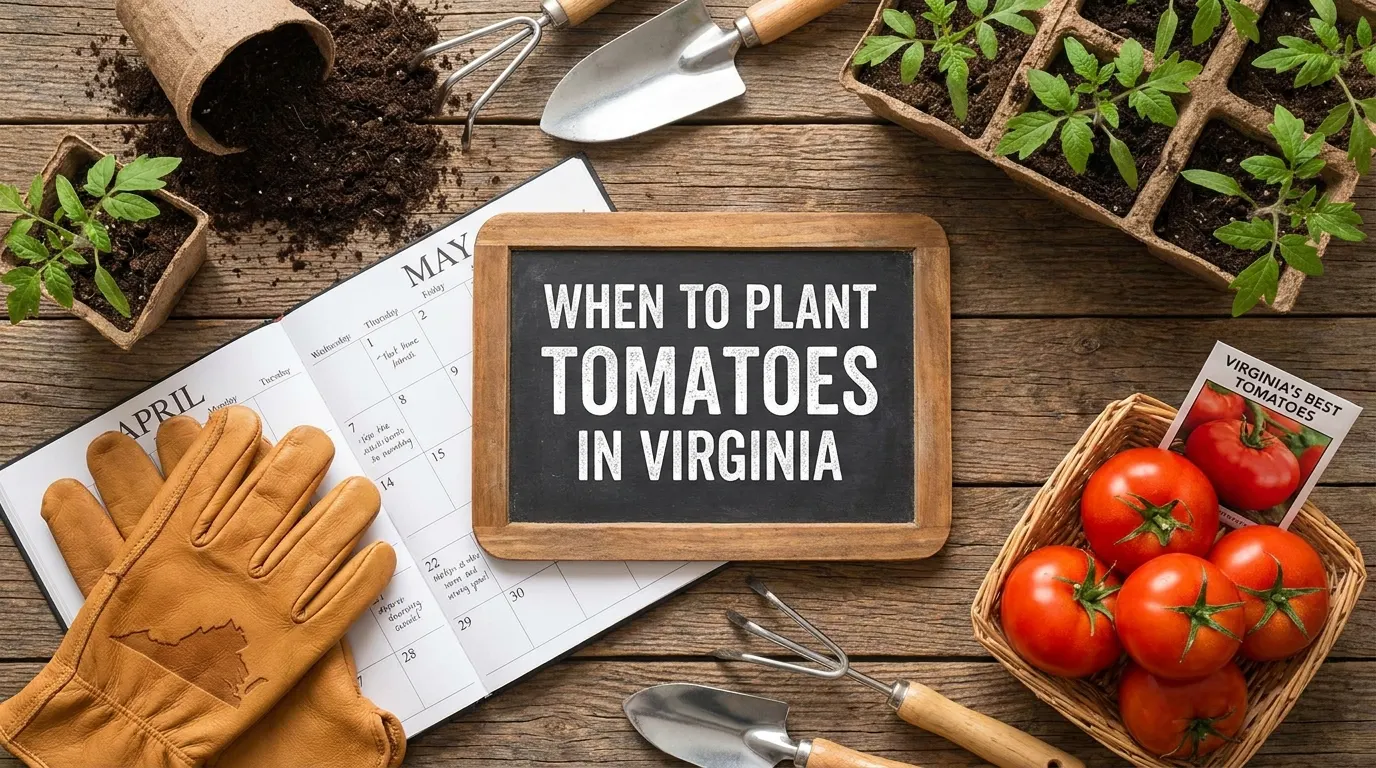

If you’ve ever stood in your backyard on a warm March morning, trowel in hand, wondering “Is it too early to plant?“ – you’re not alone. Timing is everything in gardening, and getting it right can mean the difference between a bumper harvest and a season of disappointment.
This guide breaks down exactly when to plant and when to harvest the most popular vegetables in Northern Virginia – including Arlington, Fairfax, Loudoun, Prince William counties, and the City of Alexandria. Whether you’re a first-time gardener or getting back to basics, this simple calendar will be your best friend all season long.
Why Timing Matters So Much
Plants are sensitive to temperature, especially frost. In Northern Virginia, two dates shape your entire growing season:
- Last spring frost: Around April 15–25
- First fall frost: Around October 25–November 15
Plant too early, and a late frost can kill your seedlings overnight. Plant too late, and your crops won’t have enough time to mature before fall arrives. Knowing these dates helps you stay in the safe zone.
Northern Virginia sits primarily in USDA Hardiness Zones 6b–7a. You can confirm your exact zone by entering your zip code on the USDA Plant Hardiness Zone Map – a free official tool that takes the guesswork out of zone-based planning. which means your frost window aligns closely with much of the mid-Atlantic region.
If you’re curious how your timing compares to other parts of the country, our Tomato Planting Calendar by Zone USA breaks it all down state by state — useful if you’re gardening in multiple locations or coordinating with family elsewhere.
That said, every year is a little different. Always keep an eye on your local weather forecast – especially in early spring and late fall.
Seeds vs. Seedlings: Know the Difference
Before you plant anything, there’s one important thing to understand. Some vegetables do best when you start them indoors as seedlings 6–8 weeks before planting them in the garden. Others can be directly sown as seeds straight into the soil.
In this guide, any vegetable marked with an asterisk (*) should be planted as a 6–8 week-old seedling — not as a seed. This includes crops like tomatoes, peppers, broccoli, and eggplant. The rest can go directly into the ground as seeds.
The Early Birds: What to Plant Before April
Believe it or not, several vegetables can handle the cool late-winter and early-spring weather. You can start these as early as late February or early March:
- Peas and Spinach — Plant from late February to mid-March. These cool-season crops actually prefer the cold. Harvest as early as April or May.
- Mustard and Radish — Great for beginners. Quick to grow, and ready to eat in as little as 10–12 days after planting.
- Collards and Asparagus — Can go in the ground from late February through March.
- Onion sets and Turnips — Start these in late February for a long harvest window that stretches well into fall.
- Beets, Carrots, Cabbage*, and Leeks — Plant in March for a May–June harvest.
These cool-season vegetables are tough. A light frost won’t stop them. They’re a perfect way to get a head start on the season.
Spring and Early Summer: The Heart of Planting Season
Once the danger of frost has passed — around late April — it’s time to bring in the warm-season vegetables. This is when most of the action happens:
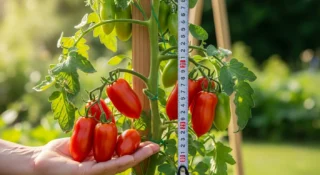
- Tomatoes and Peppers — Plant seedlings from late April to mid-May. Expect your first ripe tomatoes between mid-June and mid-September. Northern Virginia summers can get intense, with stretches of heat and humidity that cause flower drop and slow fruit set – if you’ve struggled with this before, it’s worth choosing the right variety from the start. Our guide to heat resistant tomato varieties that keep producing all summer covers exactly which types hold up best through the hottest months.
- Cucumbers and Summer Squash – Direct sow from late April onward. Harvest starts in June.
- Sweet Corn – Plant from late April through early June. Harvest in June through August.
- Eggplant – Needs warm soil. Plant seedlings in late April or May, and harvest from July onward.
- Muskmelons and Watermelons — These heat-lovers go in between late April and mid-May, with harvest starting in July.
- Pumpkins and Winter Squash — Plant in late April or May for a fall harvest starting in late June or July.
A good rule of thumb: if you plant something at the beginning of the recommended window, expect your first harvest around the beginning of the harvest window. For example, plant bush beans on April 20th — and you should be picking them around May 30th.
Late Starters: Warm-Season Crops That Can Wait
Some crops actually prefer to go in the ground a little later when the soil is truly warm:
- Lima Beans — Don’t plant until mid-May. Harvest runs from mid-July through mid-September.
- Okra — Plant from mid-May through early June. Harvest picks up in July.
- Sweet Potatoes — Go in late April to mid-May, with harvest from August through early September.
- Winter Squash — Plant through late May for a July–September harvest.
How to Read a Planting Calendar (Without Overthinking It)
Using a planting calendar is simpler than it looks. Here’s how:
- Find your vegetable in the list.
- Look at the “When to Plant” column and note the range of dates.
- Then look at the “When to Harvest” column.
- If you plant at the start of the planting window, expect to harvest near the start of the harvest window — and vice versa.
It’s not an exact science, but it gives you a reliable framework to plan your garden with confidence.
Common Mistakes New Gardeners Make
Planting too early. Warm-season crops like tomatoes and peppers suffer when soil is still cold. Even if the air feels warm, the ground may not be ready. Wait until after April 15–25 for these crops.
Skipping seedlings for starred crops. If a crop like broccoli or cauliflower needs a 6–8 week head start indoors, planting it as a seed directly in the garden will leave you far behind. Buy transplants from a nursery or start them indoors ahead of time.
Ignoring the fall frost. It’s easy to forget that the season ends, too. Make sure your crops have time to mature before October 25. If you’re planting something in July, check how long it takes to harvest and count forward.
Not checking the weather. Average frost dates are just averages. A surprise cold snap in late April can still damage tender young plants. A simple garden cloth or row cover can save your seedlings on a cold night.
A Quick Reference: Planting Season at a Glance
| Season | What to Plant |
|---|---|
| Late February – March | Peas, spinach, mustard, radish, beets, carrots, onions, collards, leeks |
| Late March – April | Broccoli*, cabbage*, cauliflower*, Swiss chard, lettuce |
| Late April – May | Tomatoes*, peppers*, cucumbers, beans, corn, squash, melons, eggplant* |
| May – June | Lima beans, okra, sweet potatoes |
Final Thoughts
Gardening in Northern Virginia is a real joy – the growing season is generous, and the variety of vegetables you can grow is impressive. From the first peas of late February to the last sweet potatoes of September, there’s something ready to plant (or harvest) almost every month.
The key is simple: know your frost dates, plant at the right time, and know whether your crop needs a seedling or a seed. Do those three things, and you’re already ahead of most beginners.
Start small, stay curious, and don’t be afraid to get your hands dirty. Your garden will thank you for it.
![Backyard Patio Tomato Ideas: Sweet Fruit in Pots [Updated]](https://cropthetomato.com/wp-content/uploads/2025/11/Backyard-Patio-Tomato-Ideas-440x240.webp)
![Backyard Patio Tomato Ideas: Sweet Fruit in Pots [Updated]](https://cropthetomato.com/wp-content/uploads/2025/11/Backyard-Patio-Tomato-Ideas-320x175.webp)
Leave a Comment